Article
Fine shirt fabrics: what makes quality cotton
You look at a shirt's collar, but you wear its fabric. The fabric decides how it feels on you, how it irons and how many years it lasts.
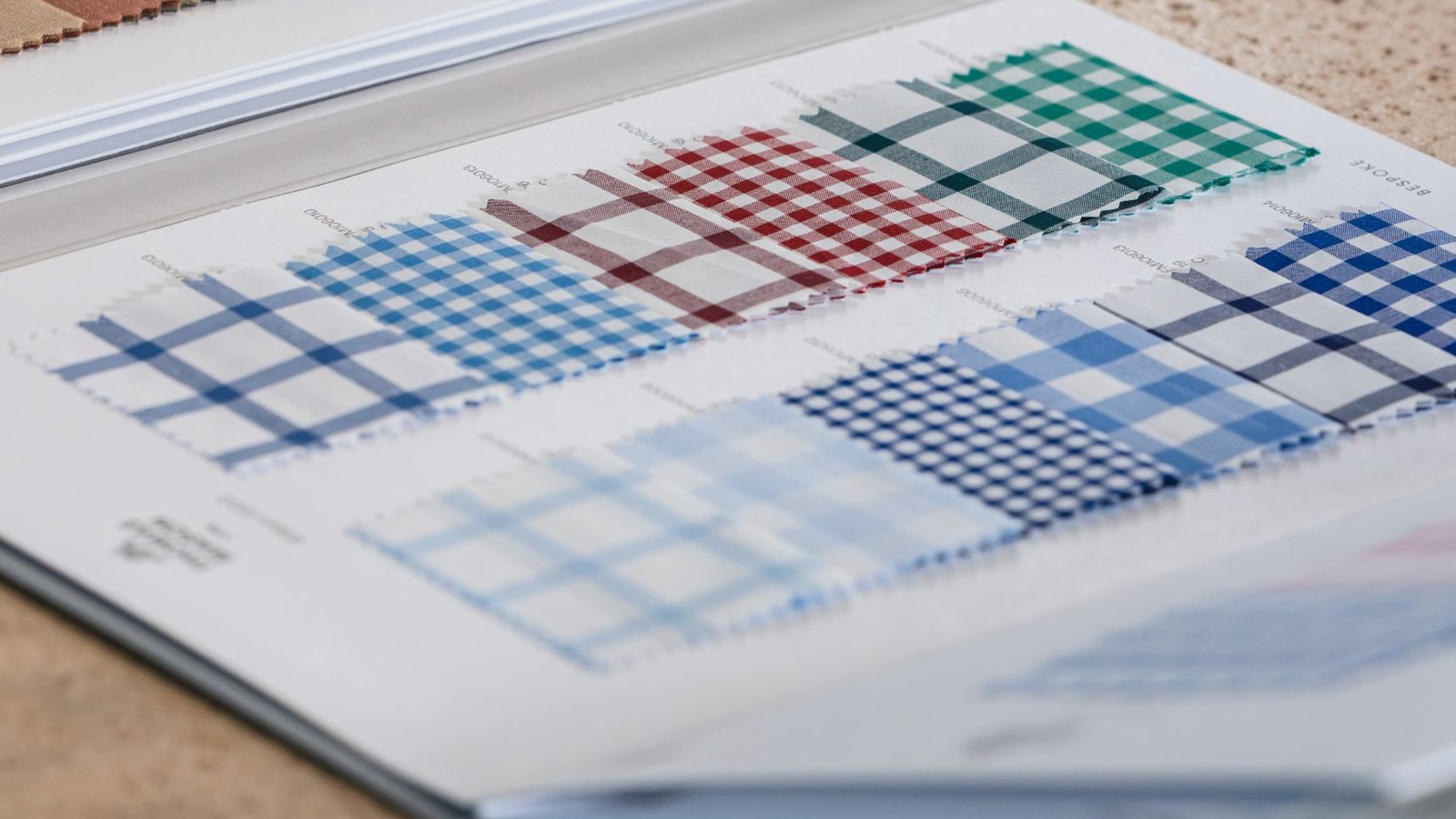
This article is about cotton, the fabric of almost every men's shirt. Linen and blends have rules of their own, and an article of their own.
Three things make a fine fabric
Quality cotton is not recognised by its trade name or by its price per metre. It is recognised by three things, one inside the other: the fibre, that is, the cotton as it grows; the yarn, that is, how that fibre is spun; and the weave, that is, how the yarns are interlaced to make the fabric.
Each of the three can raise or lower the quality of the shirt, and none is enough on its own. We look at them in this order, from the plant to the cloth.
The fibre: the longer, the better
Cotton is measured first of all by the length of its fibre. A long fibre spins into a finer, more even and stronger yarn, and leaves fewer loose ends on the surface: this is why the fabric is smoother and pills less.
Extra-long-staple cottons are the rarest and finest, and you recognise them by touch even before you see them. It is the quality of the fibre that guides the choice of the Super Luxury fabrics of the Sartoria collection.
The yarn: two-ply
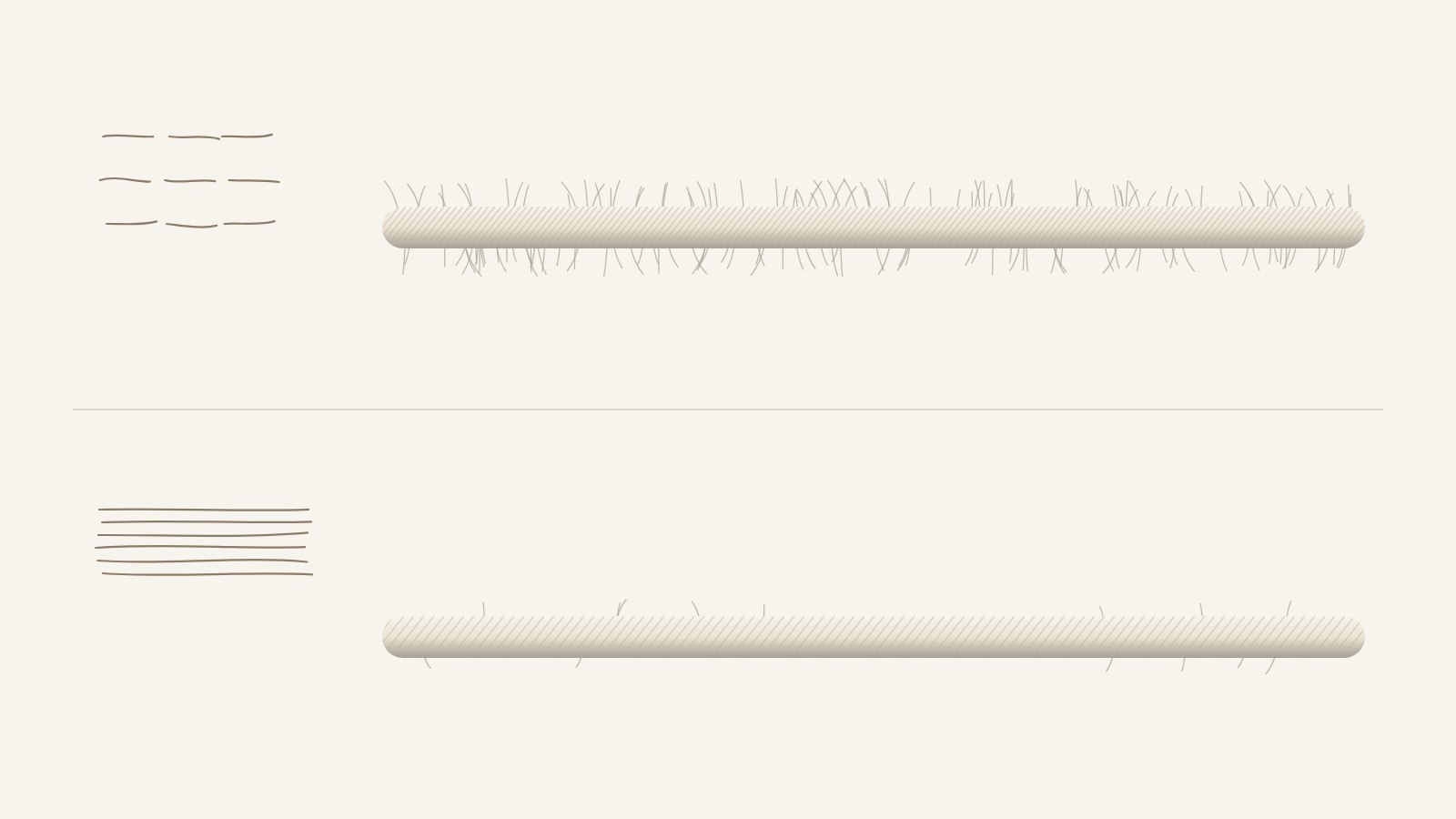
In a two-ply yarn, two yarns are twisted together to form a single one. The result is denser and stronger than a single yarn of the same thickness, and you can feel it: the fabric is full in the hand without being heavy, stands up to washing and takes the iron well.
On the labels it is written with two numbers: 80/2, 100/2, 140/2. The first is the fineness of the yarn, the second says there are two plies. The higher the first number, the finer and softer the fabric; beyond a certain point it also becomes more delicate, and for an everyday shirt what counts is balance, not the highest number.
The weave: poplin, twill, oxford
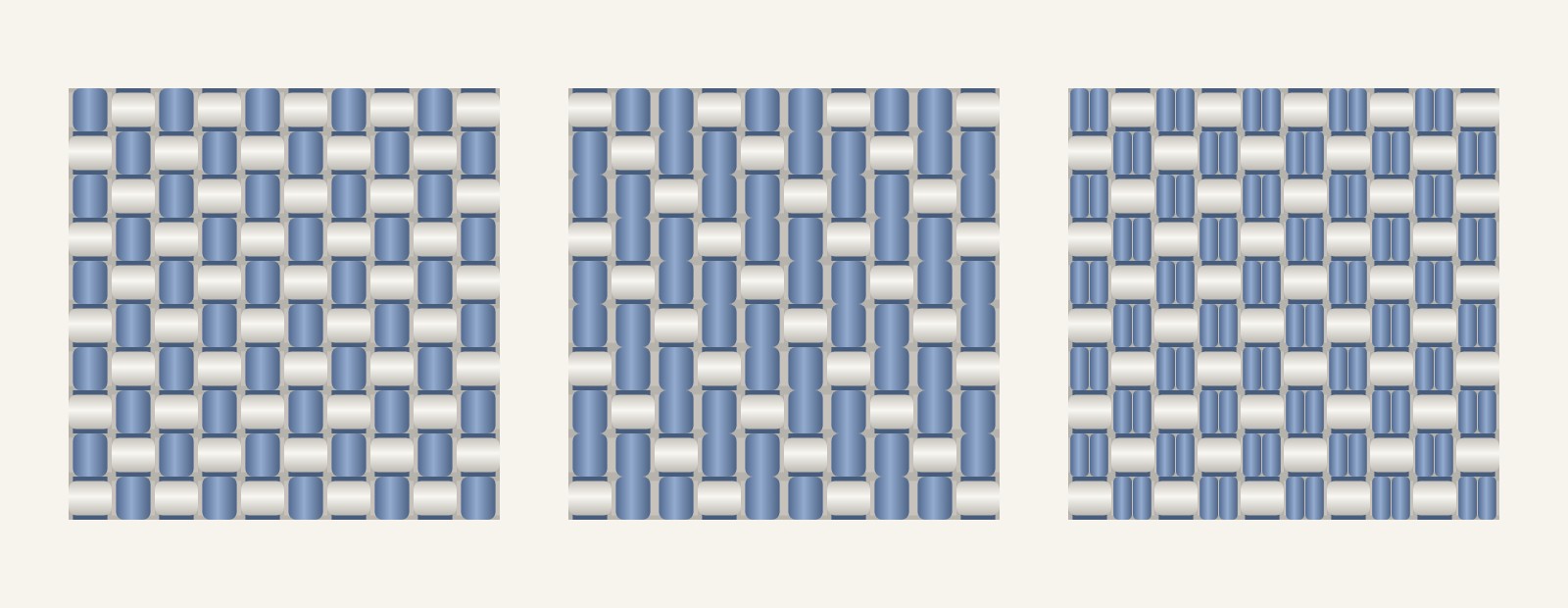
The same yarn woven in different ways gives different fabrics. Poplin is the simplest weave, one yarn over and one under: smooth, light, with a discreet sheen. It is the classic fabric under a jacket.
Twill has a diagonal weave you can see up close: it is softer, drapes better and creases less, and it is the choice of those who spend the day sitting down. Oxford weaves the yarns in pairs, with a more visible texture and a sturdier fabric: it is the shirt to wear without a jacket too.
| Fabric | What it is like | When to wear it |
|---|---|---|
| Poplin | Smooth, light, a discreet sheen | Under a jacket, at the office, at ceremonies |
| Twill | Diagonal, soft, creases less | Long days, travelling |
| Oxford | Visible texture, sturdy | Without a jacket too, in your free time |
How to recognise it, by hand and against the light
Touch it: a fine cotton is full and cool, neither rough nor limp. Squeeze it in your fist for a few seconds and let it go: if the creases open up quickly, it is a good sign.
Look at it against the light: the weave should be close and even, with no lighter or thinner patches. And look at the surface at an angle: it should reflect the light evenly, not in patches. These are the same checks that help you recognise a luxury shirt, starting from the fabric.
Design your shirt: every fabric can be seen up close before you choose it, and all of them are two-ply cotton.
Design your shirt